Way Back
When Club
A self-initiated creature universe built by hand from sketchbook drawings, pixel sprites, type systems, animation, cards and a slightly overenthusiastic amount of world-building.自分で始めたクリーチャーの世界。スケッチブックの絵から、ピクセルスプライト、タイプシステム、アニメーション、カードまで、全部手でつくりました。世界づくりには、少しばかり熱が入りすぎています。
Ninety creatures. One very busy world.90体のクリーチャー。一つの、とても忙しい世界。
Sketchbook oddballs became crisp pixel sprites, connected by type, family and a shared visual logic.スケッチブックの変わり者たちを、くっきりしたピクセルスプライトへ。タイプ、系統、共通のビジュアルルールで一つの世界につなげました。
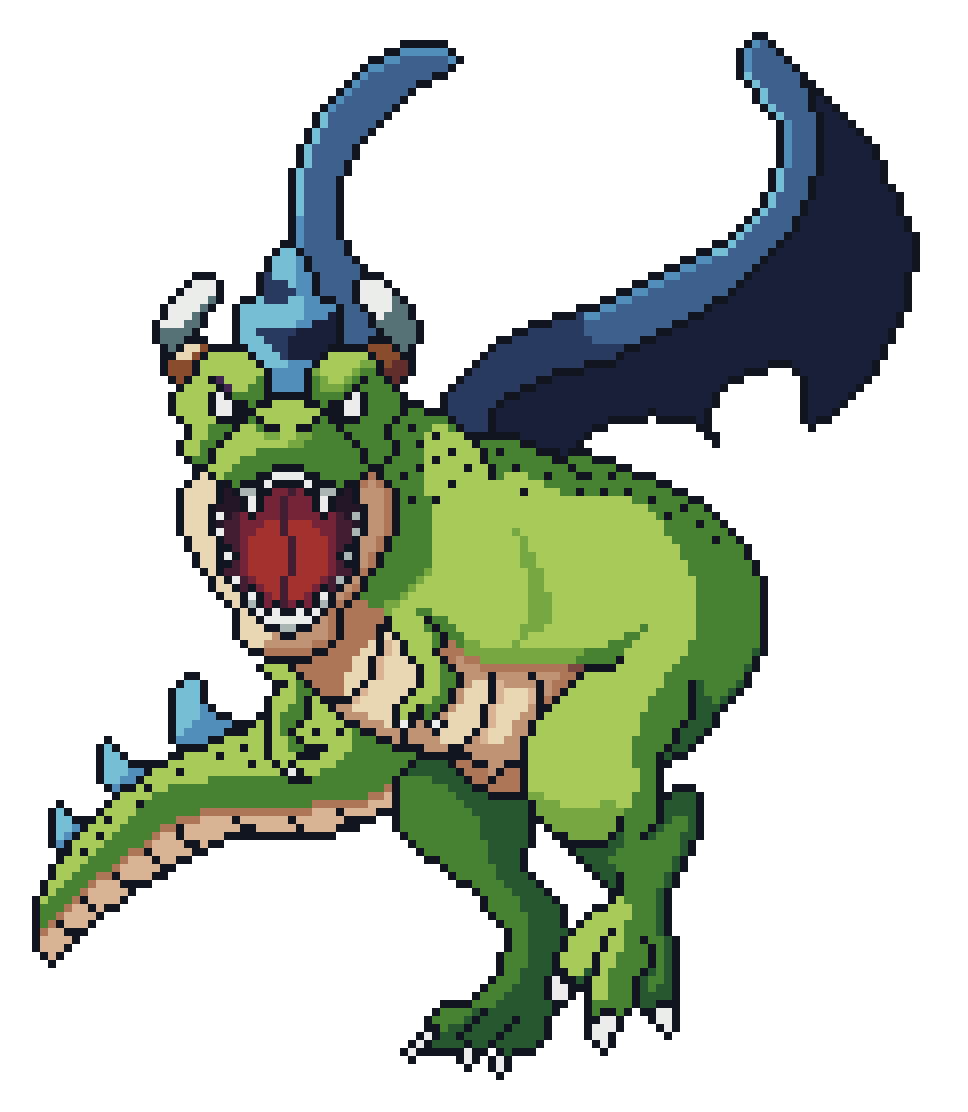
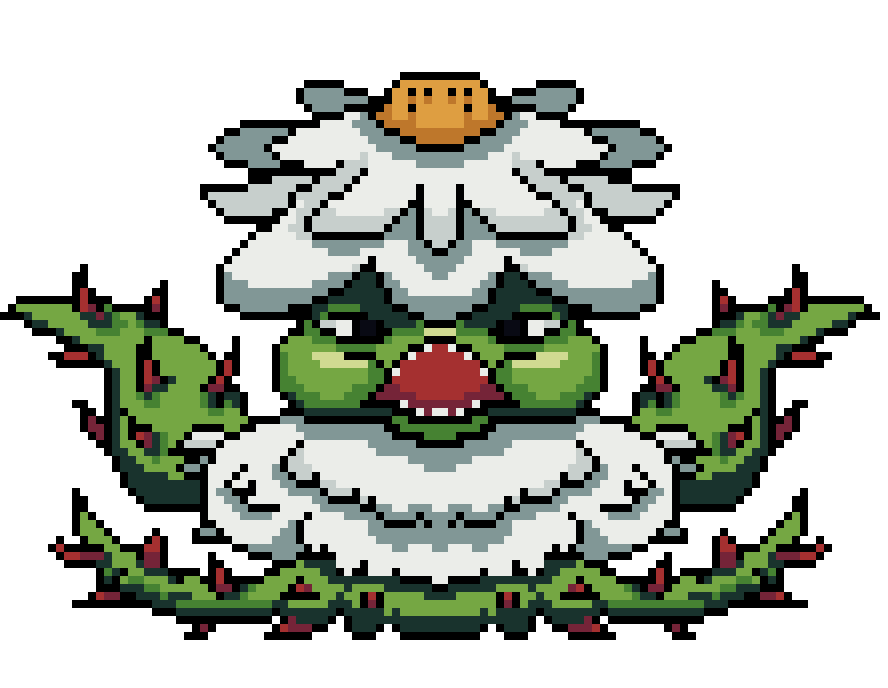
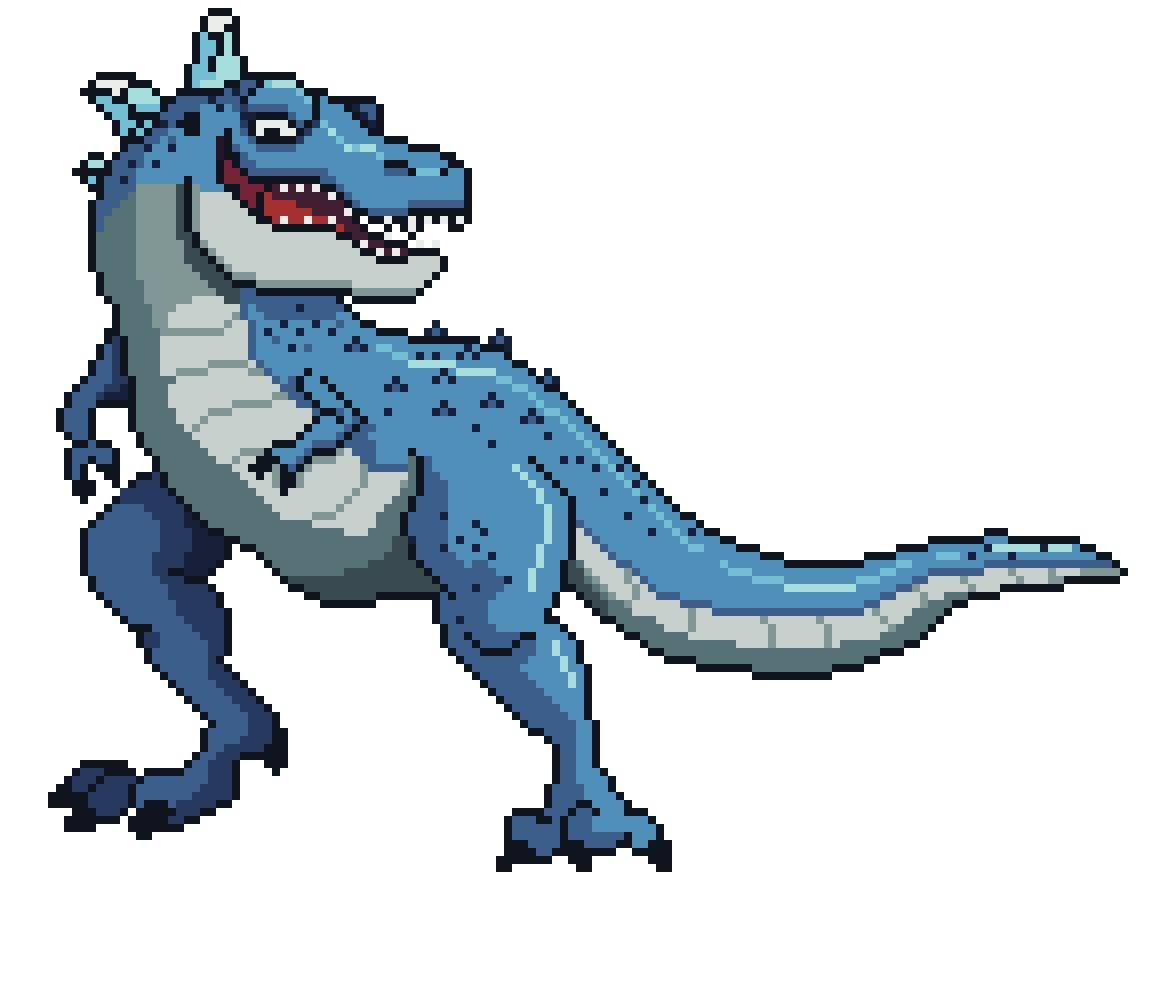
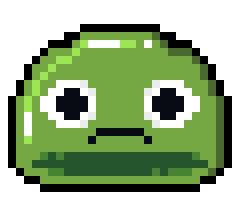
Building a world, one oddball at a time.変なやつを一体ずつ。世界をつくる。
Way Back When Club grew from pencil sketches into pixel sprites, character families, animation, cards and a world with its own rules.Way Back When Clubは、鉛筆のスケッチからピクセルスプライト、キャラクターの系統、アニメーション、カード、そして独自のルールを持つ世界へ育っていきました。
The characters came first. The world followed.キャラクターが先。世界はあとからついてきた。
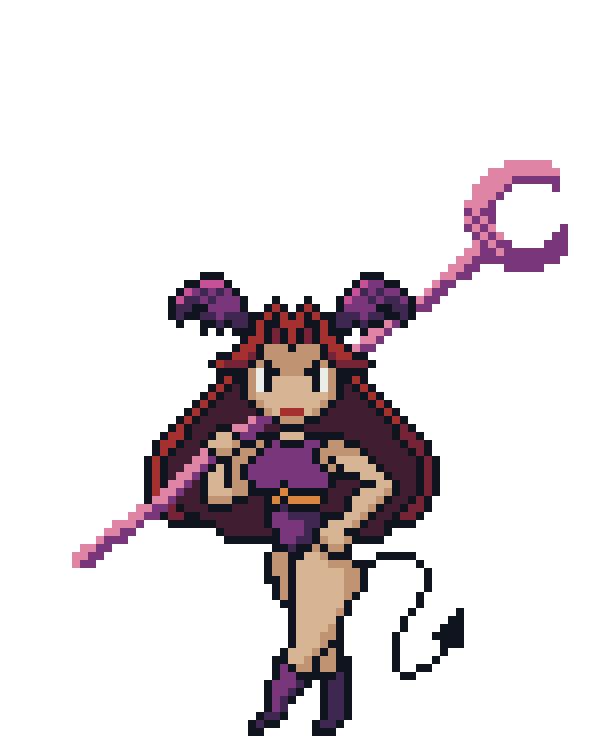
There are 90 named creatures across ten elemental and type groups. Some evolve, some animate, and all of them look like they belong in the same strange place.10の属性・タイプグループに、名前のあるクリーチャーが90体。進化するもの、動くもの、そして全員が同じ妙な場所に住んでいそうな見た目をしています。
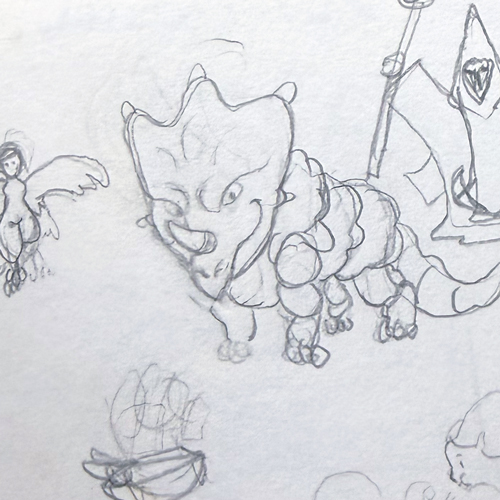
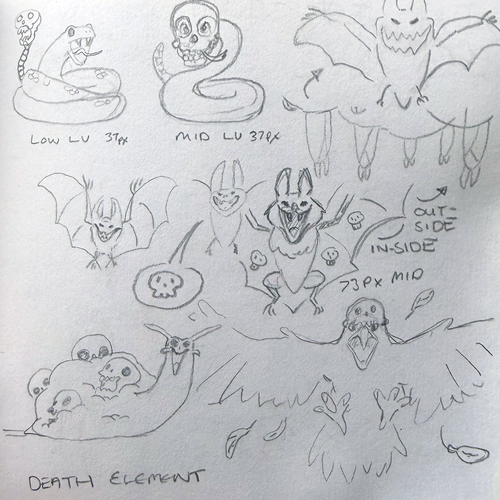
Before pixels, pencil.ピクセルの前に、鉛筆。
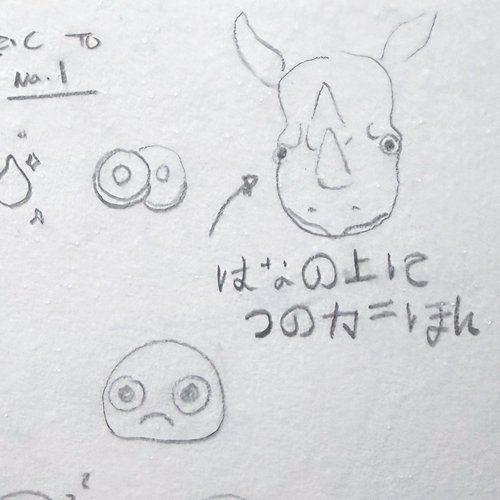
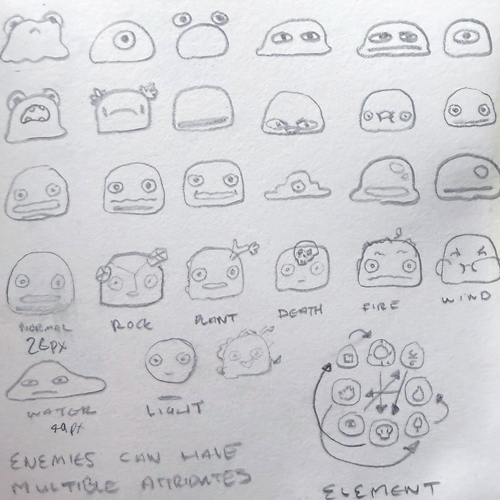
I carried a notebook with me and sketched a monster whenever one turned up. On the train, in a café, wherever. Those first rough drawings became my reference when I built each character in Aseprite.ノートをいつも持ち歩いて、モンスターが思いついたら描いていました。電車でも、カフェでも、どこでも。その最初のラフが、Asepriteでキャラクターをつくるときの資料になりました。
The covers usually end up battered because the books go everywhere with me. The pages get treated rather better. Ideas are worth looking after.表紙はいつも持ち歩くので、だいたいボロボロになります。中のページは、もう少し大事に扱っています。アイデアはちゃんと守りたいので。
The first pass stayed loose. If a character stuck, I’d draw it again in more detail before working out how to make it live on a tiny pixel grid.最初の一枚はラフなまま。気になるキャラクターだけもう一度詳しく描いて、小さなピクセルグリッドの上でどう生かすかを考えました。
No generative AI was used on the project. Every creature started with pencil and was developed by hand from sketchbook to sprite.このプロジェクトでは生成AIを使っていません。すべてのクリーチャーは鉛筆から始まり、スケッチブックからスプライトまで手でつくりました。
Same world. Very different problems.同じ世界。問題はそれぞれ。
Eight creatures set the tone: different shapes, different temperaments, one shared visual world.8体で世界の空気を見せています。形も性格も違う。でも、同じ世界にちゃんと住んでいる。
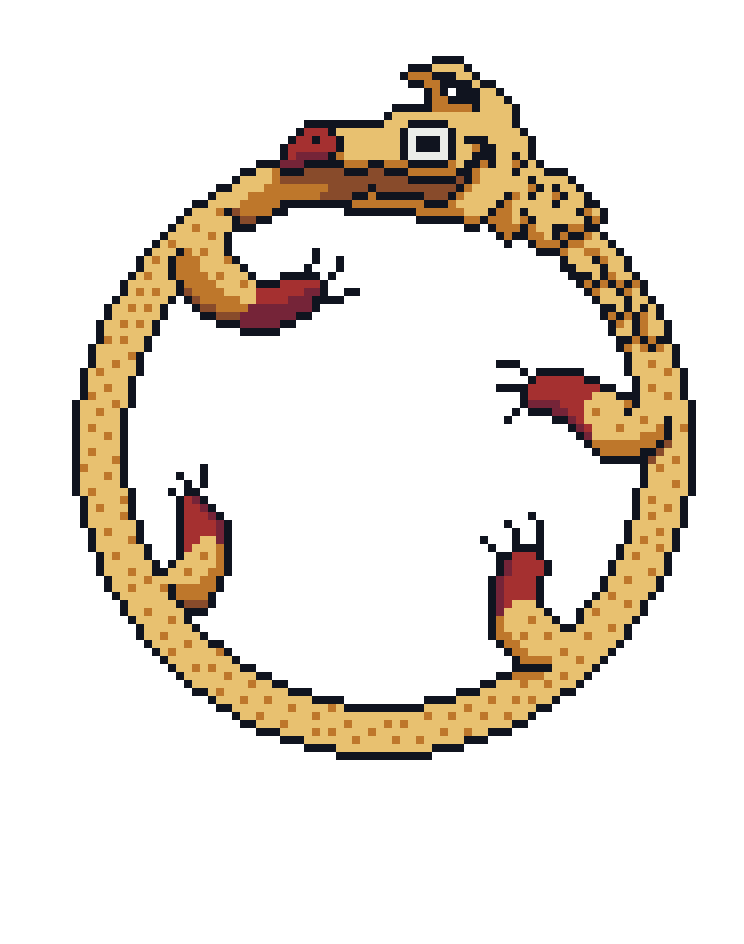
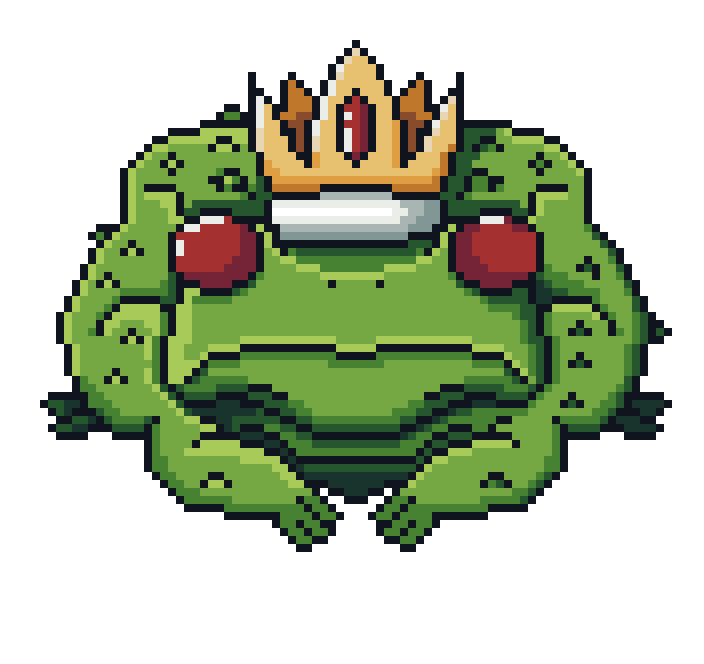
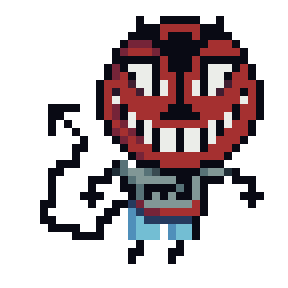
The full archive runs to 90 creatures. These eight show the range without turning the page into a census.全部で90体。この8体なら、ページを名簿にせずに幅を見せられます。
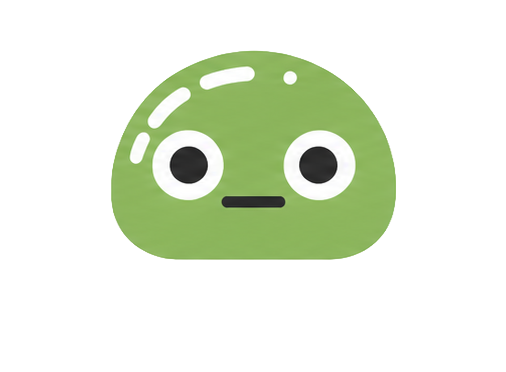
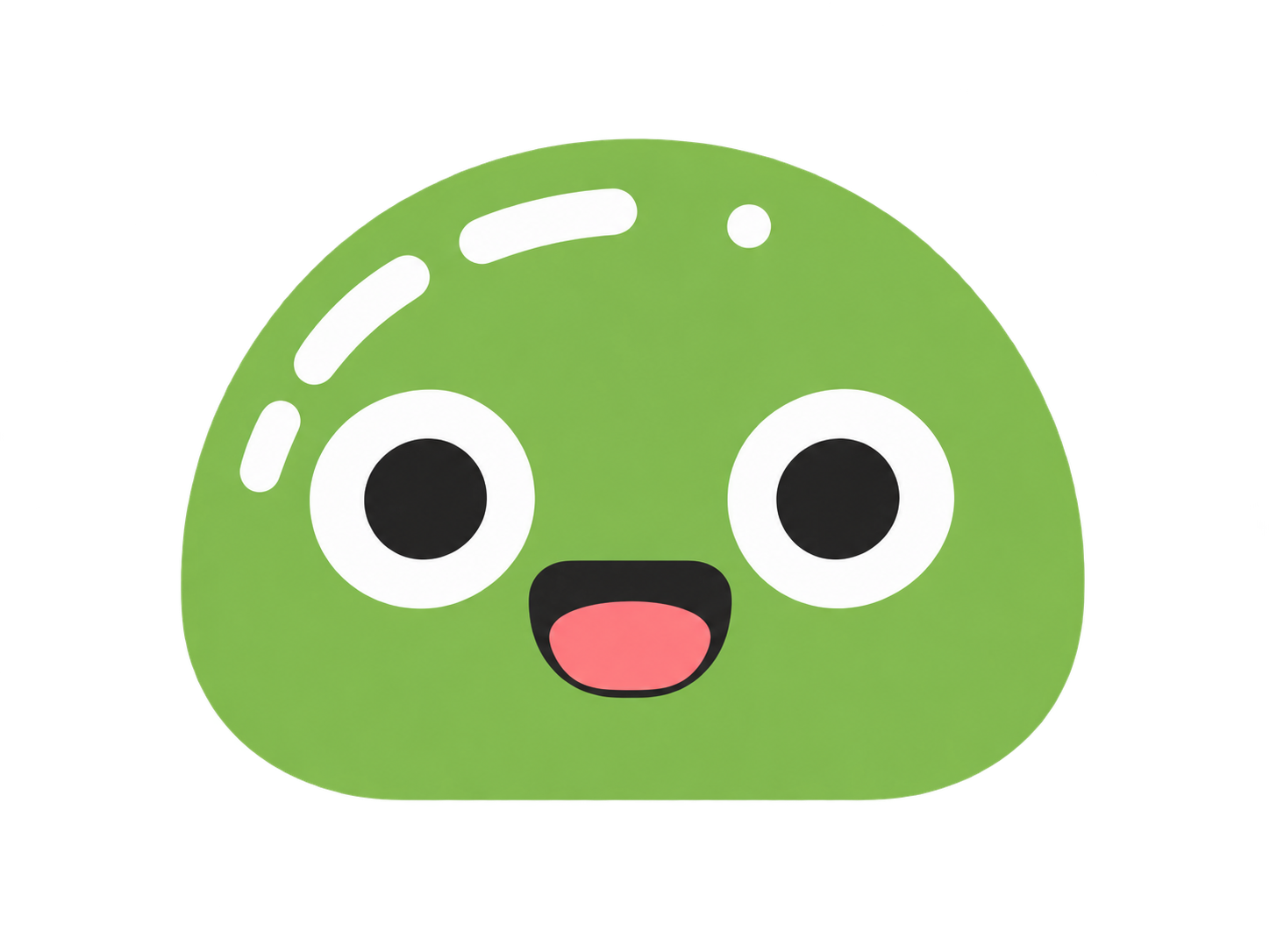
Same blob. Different problem.同じぷるぷる。違う問題。
One base character shifts through colour, shape and elemental detail. Every version changes; every version is still unmistakably Jelli.一つのベースキャラクターが、色、形、属性ディテールで変化します。全部違う。でも、どれも一目でJelli。
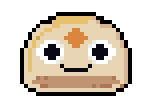
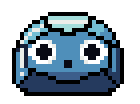
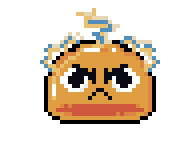
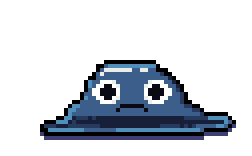
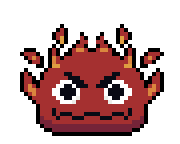
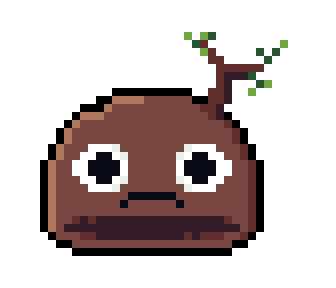
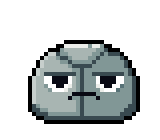
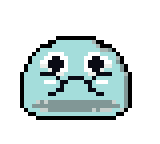
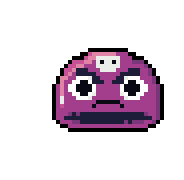
The family resemblance stays put while each version takes on a different elemental personality.家族らしさはそのままに、それぞれ違う属性の性格をまとわせました。
They grow up. Mostly.成長します。だいたいは。
Four families show how a simple shape can grow, sharpen and pick up a surprising amount of attitude.シンプルな形が育って、尖って、ときどき驚くほど態度まで大きくなる様子を、4つの系統で見せています。
From snap to tyrant.ひとかじりから、暴君へ。
Early form → developed form → final form初期形態 → 発展形態 → 最終形態
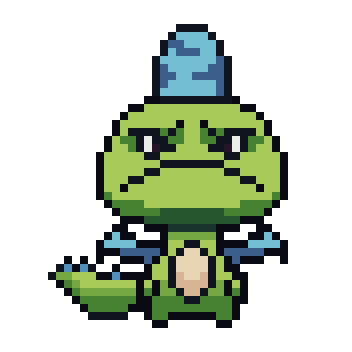 Snap Dragon
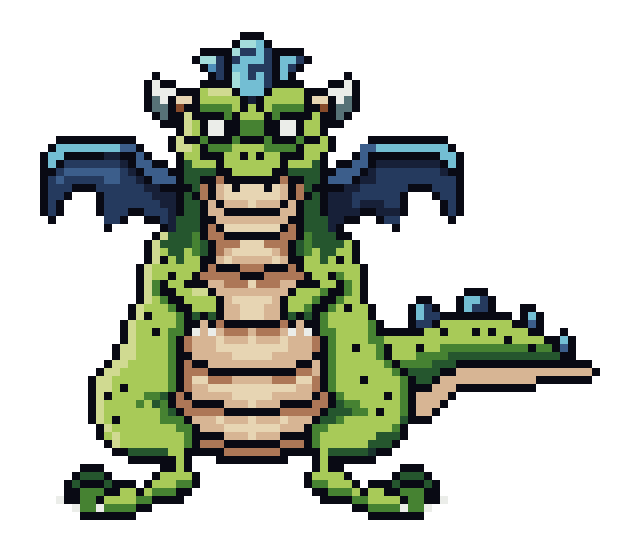 MedragonTyrandragon
Seed, bulb, trouble.種、つぼみ、トラブル。
Early form → developed form → final form初期形態 → 発展形態 → 最終形態
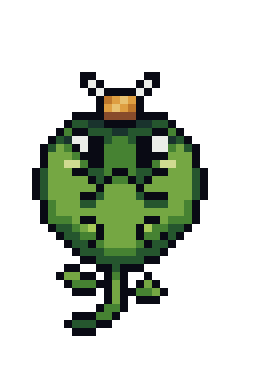 Seedling
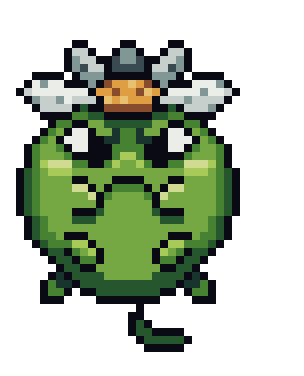 Puff BulbThorn Kreeper
A very short royal lineage.とても短い王家の血筋。
Early form → final form初期形態 → 最終形態
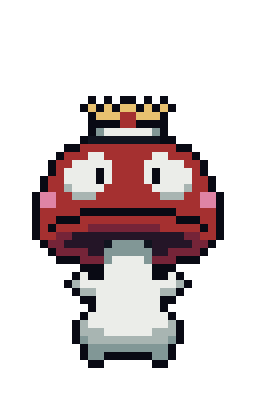 Caprince
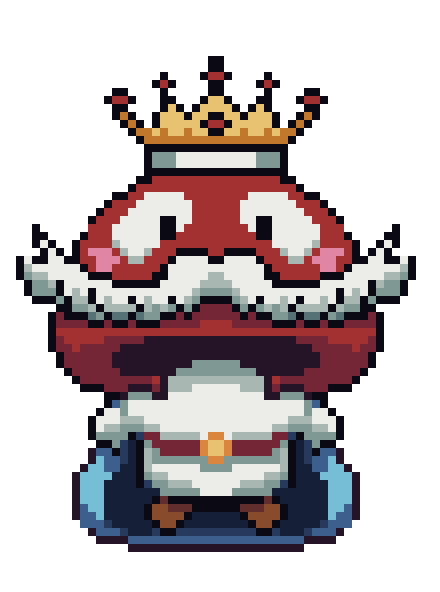 Capking
More cloud. More clout.雲は増える。存在感も増える。
Early form → developed form → final form初期形態 → 発展形態 → 最終形態
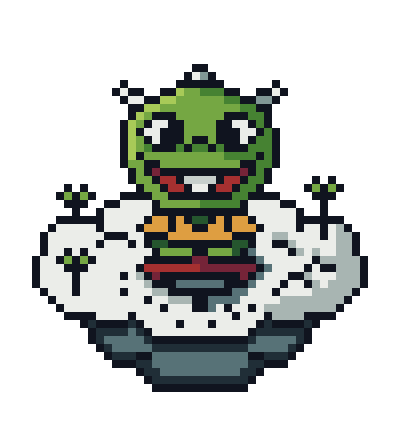 Lash Down
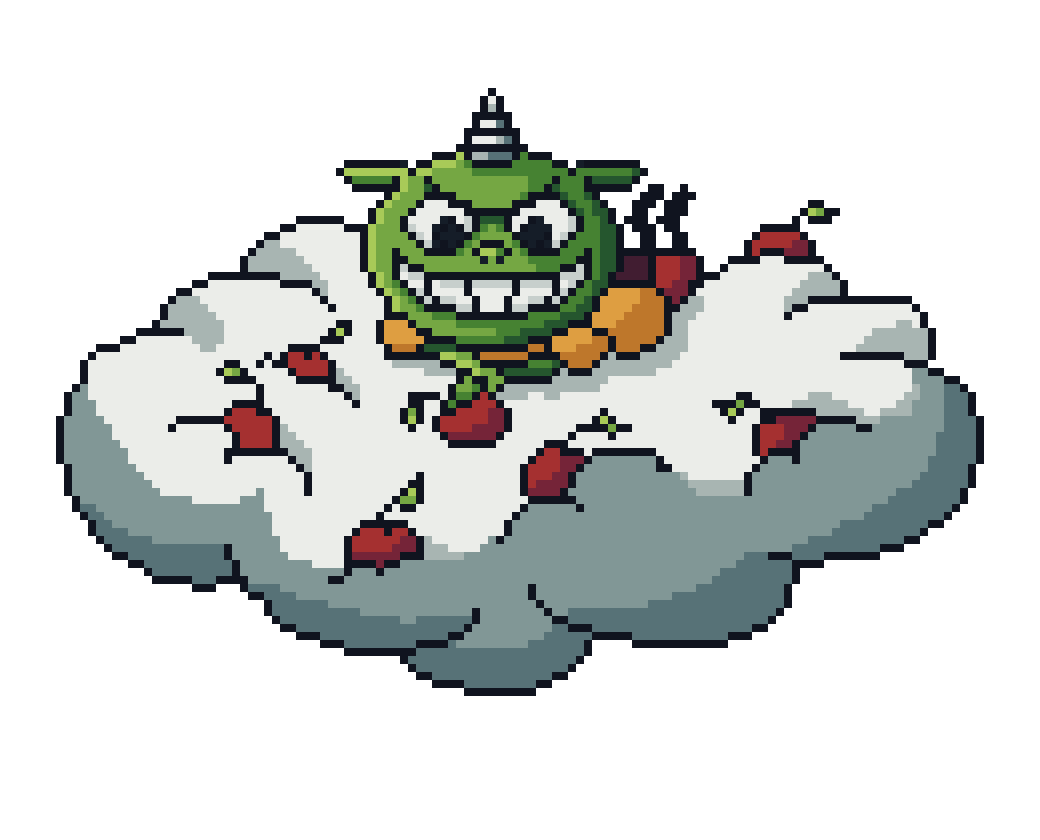 Pelt DownBeat Down
Watercolour first. Pixels later.まず水彩。ピクセルはそのあと。
I brought the characters to life in watercolour, then translated each one into a small, readable pixel sprite.水彩でキャラクターに命を入れてから、小さくても読めるピクセルスプライトへ落とし込みました。
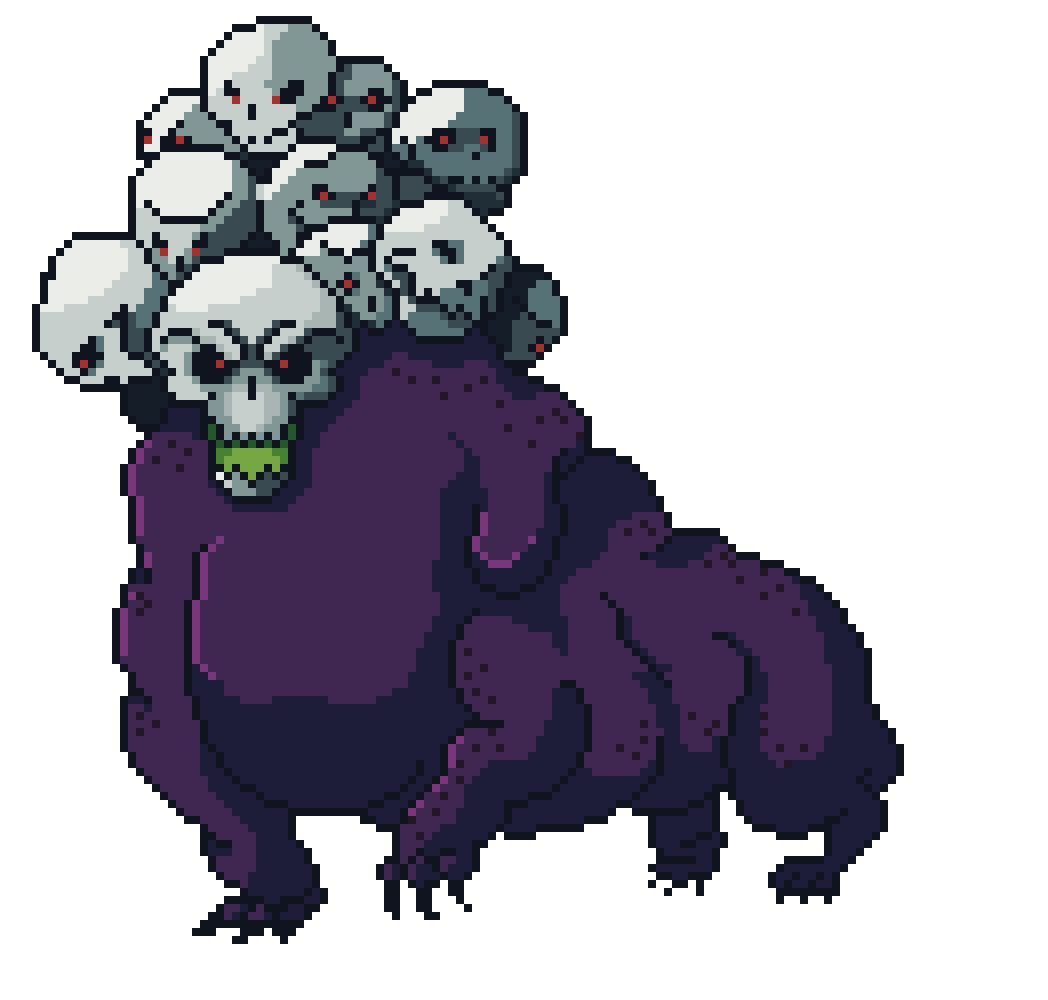
Rattle Skull
Sketch → spriteスケッチ → スプライト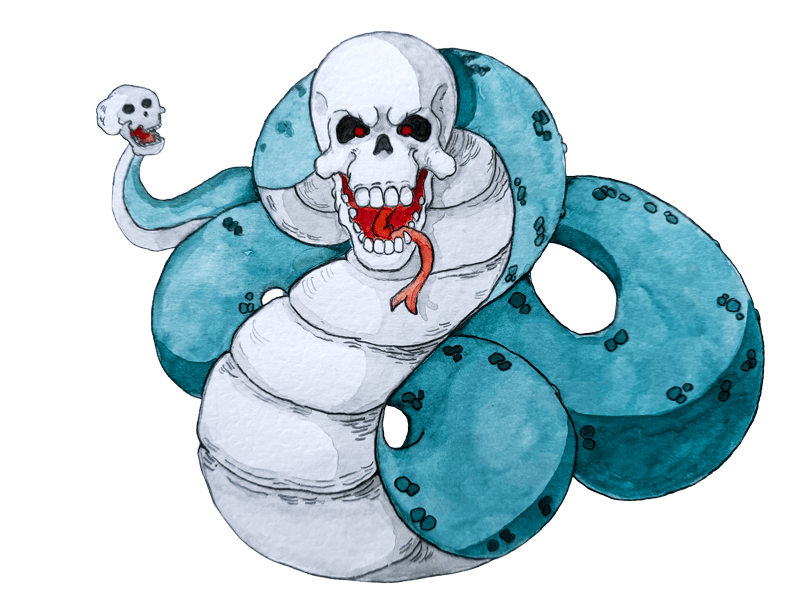
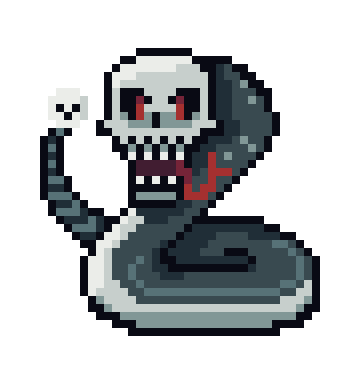
The sprite keeps the oversized silhouette and the grin, then lets the grid do the tidying.スプライトでは大きなシルエットと笑顔を残しつつ、あとはグリッドに整えてもらいました。
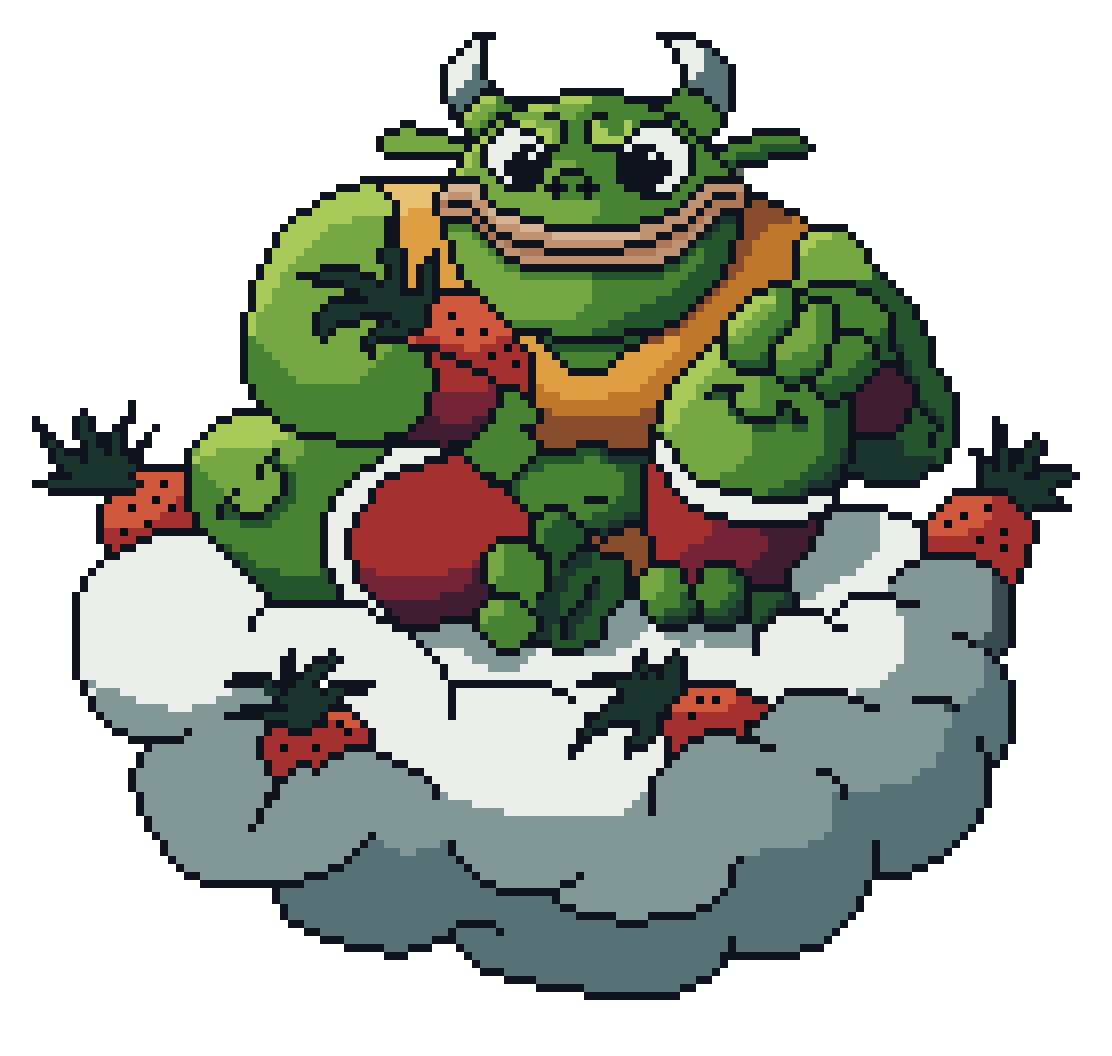
Toad Prince
Sketch → spriteスケッチ → スプライト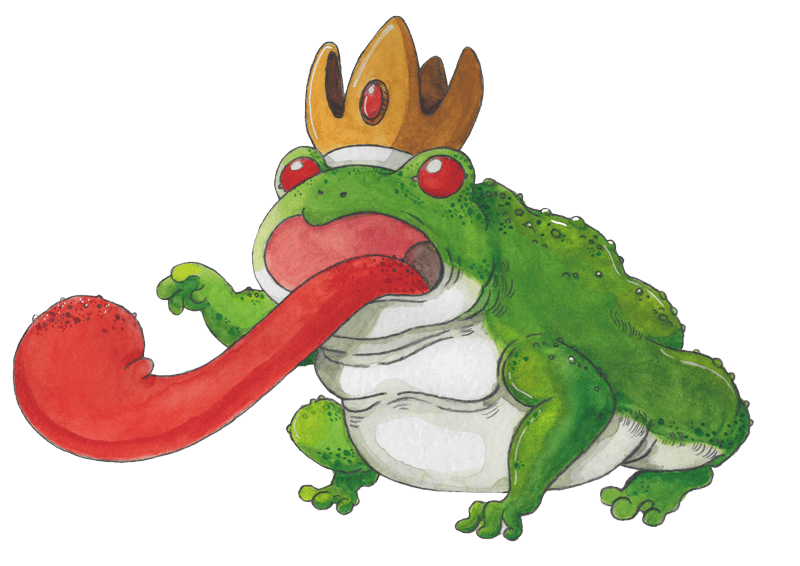
The drawing loses a few lines, but none of the expression.線は少し減る。でも表情は減らない。
Hot Ham
Sketch → spriteスケッチ → スプライト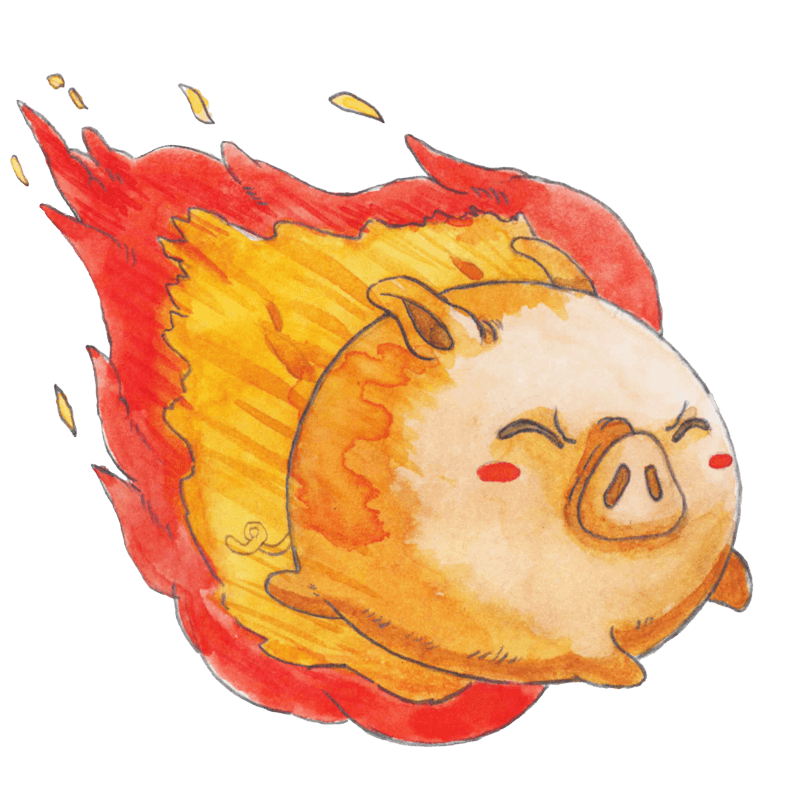
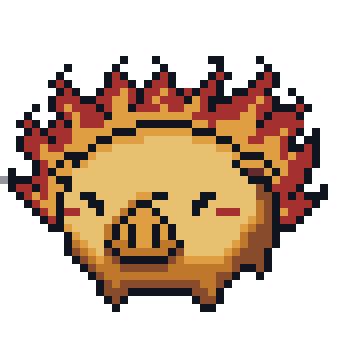
Chunky shapes survive the move to pixels. So does the attitude.ずんぐりした形はピクセルになっても残ります。態度もそのまま。
Man O Volts
Sketch → spriteスケッチ → スプライト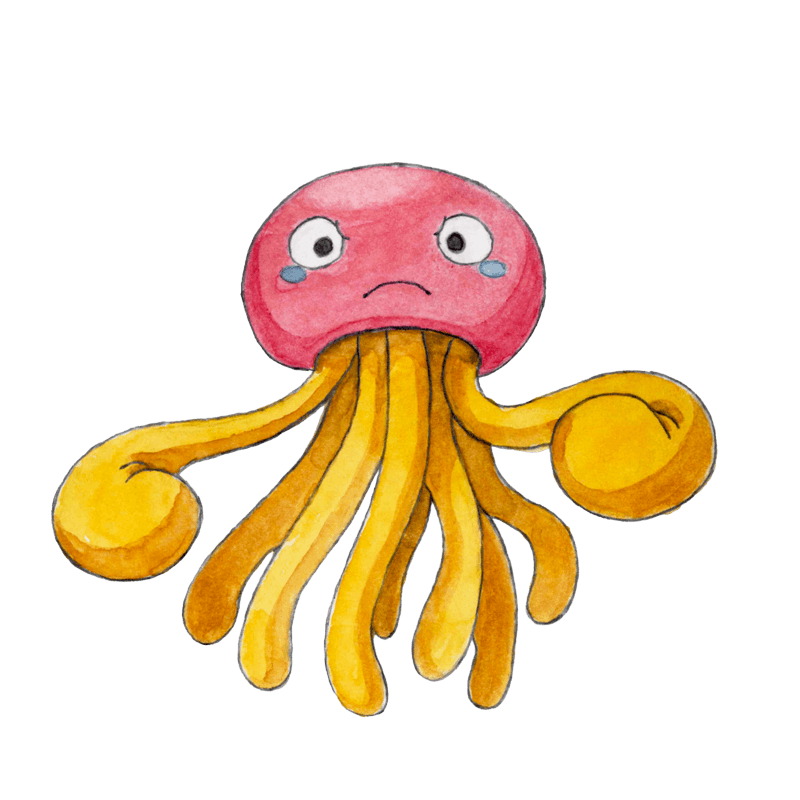
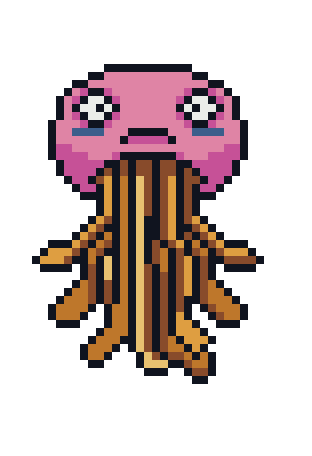
The silhouette gets tighter; the energy stays gloriously unhelpful.シルエットは締まる。でもエネルギーは相変わらず、役に立たないくらい元気。
Seedling
Sketch → spriteスケッチ → スプライト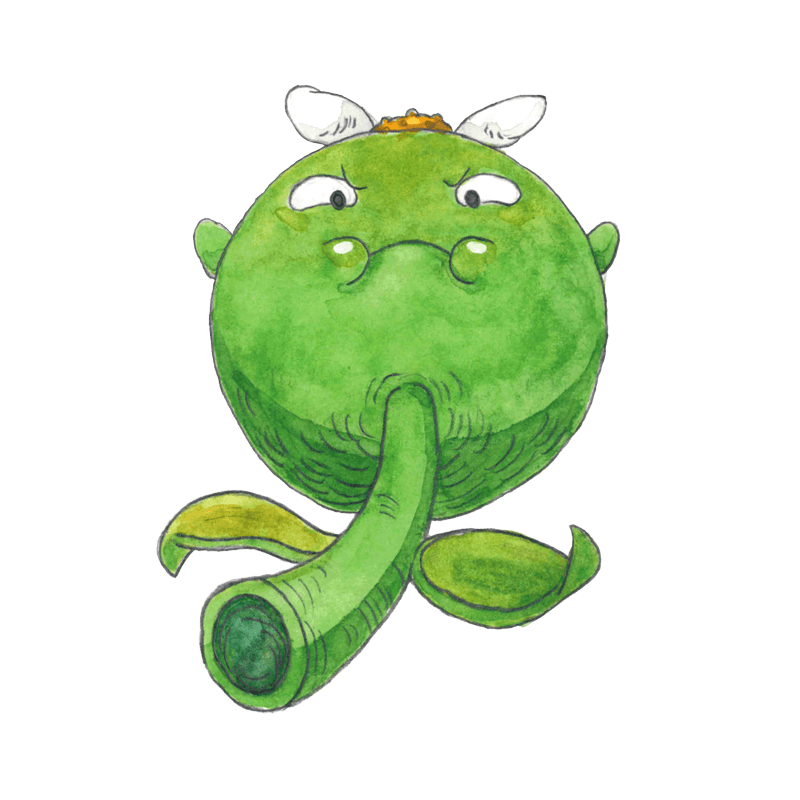
Soft, plant-like shapes become a compact sprite without losing the character’s gentle awkwardness.柔らかな植物らしい形を、小さなスプライトにしても、そのやさしい不器用さは残しました。
Now they won’t sit still.もう、じっとしてくれません。
Animation gives the static sprites a little timing, weight and attitude.アニメーションで、静止画だったスプライトにタイミング、重さ、態度を少し足しました。
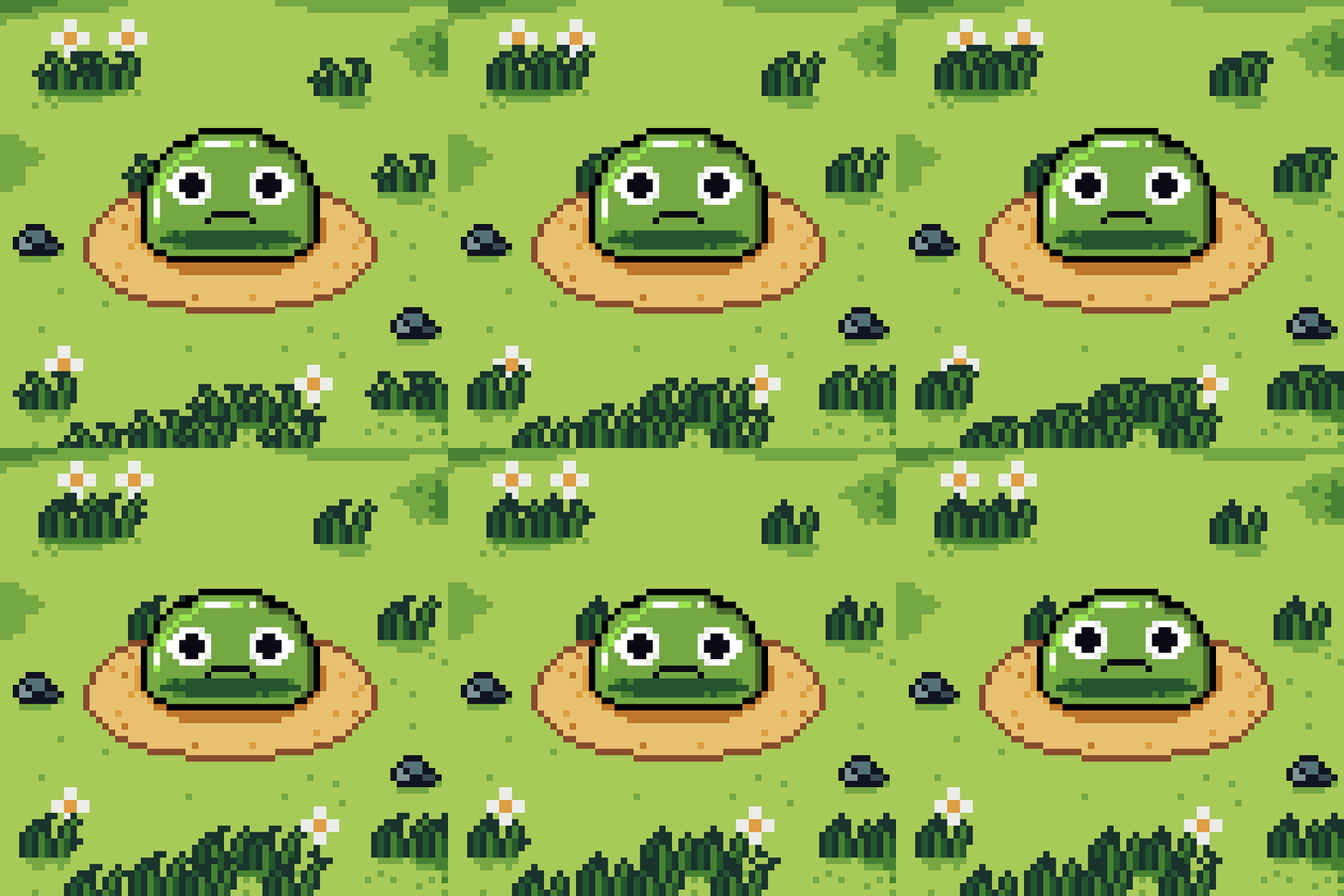
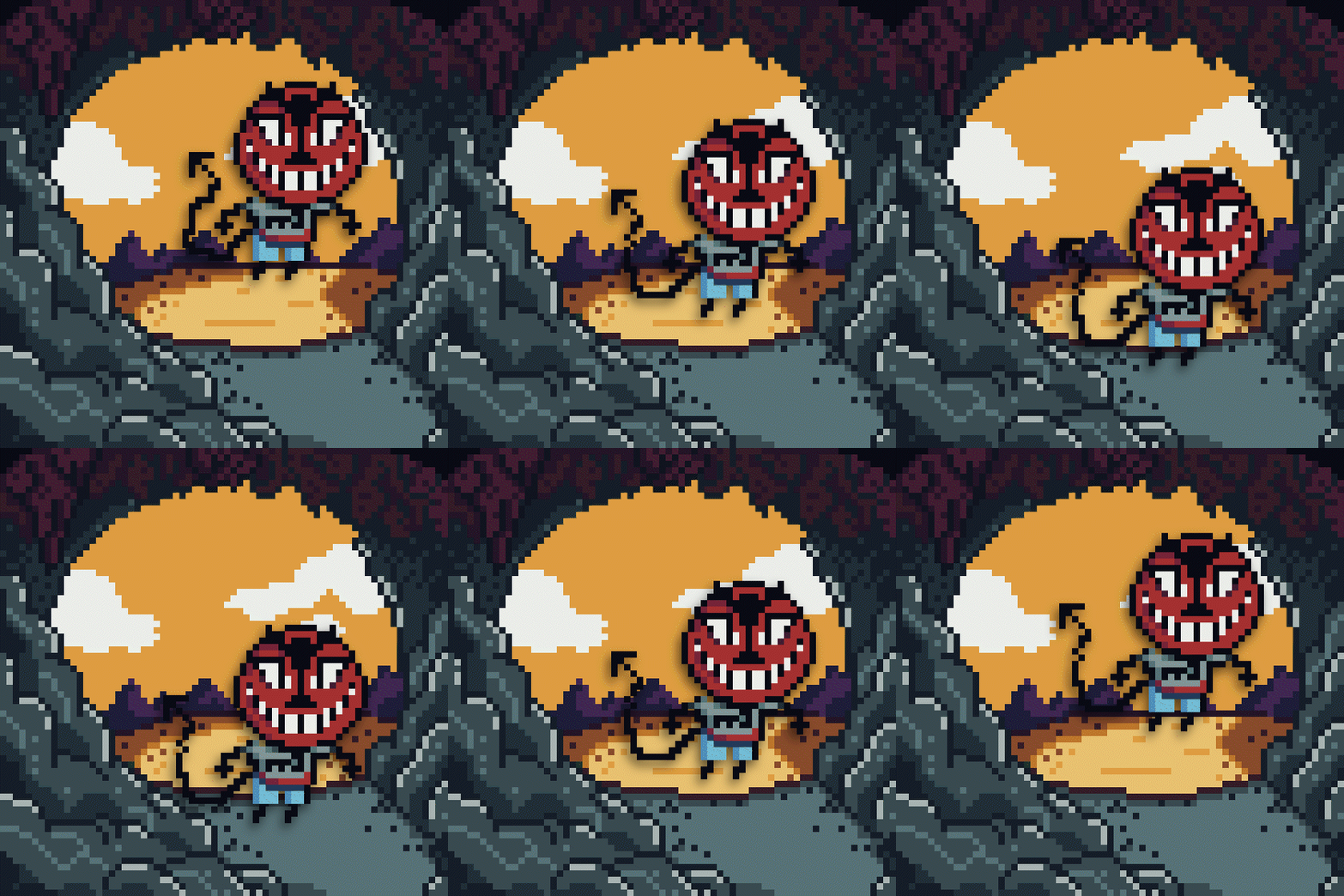
The shapes stay readable as they move — the same character language, now with better timing.動いても形は読みやすいまま。同じキャラクター言語に、今度はタイミングが加わります。
Cards, icons and useful little things.カード、アイコン、それから便利な小物たち。
The characters moved into collectible cards, type symbols and the small objects that make a game world feel lived in.キャラクターはコレクションカード、タイプ記号、そしてゲームの世界に暮らしを感じさせる小さなアイテムへ広がっていきました。
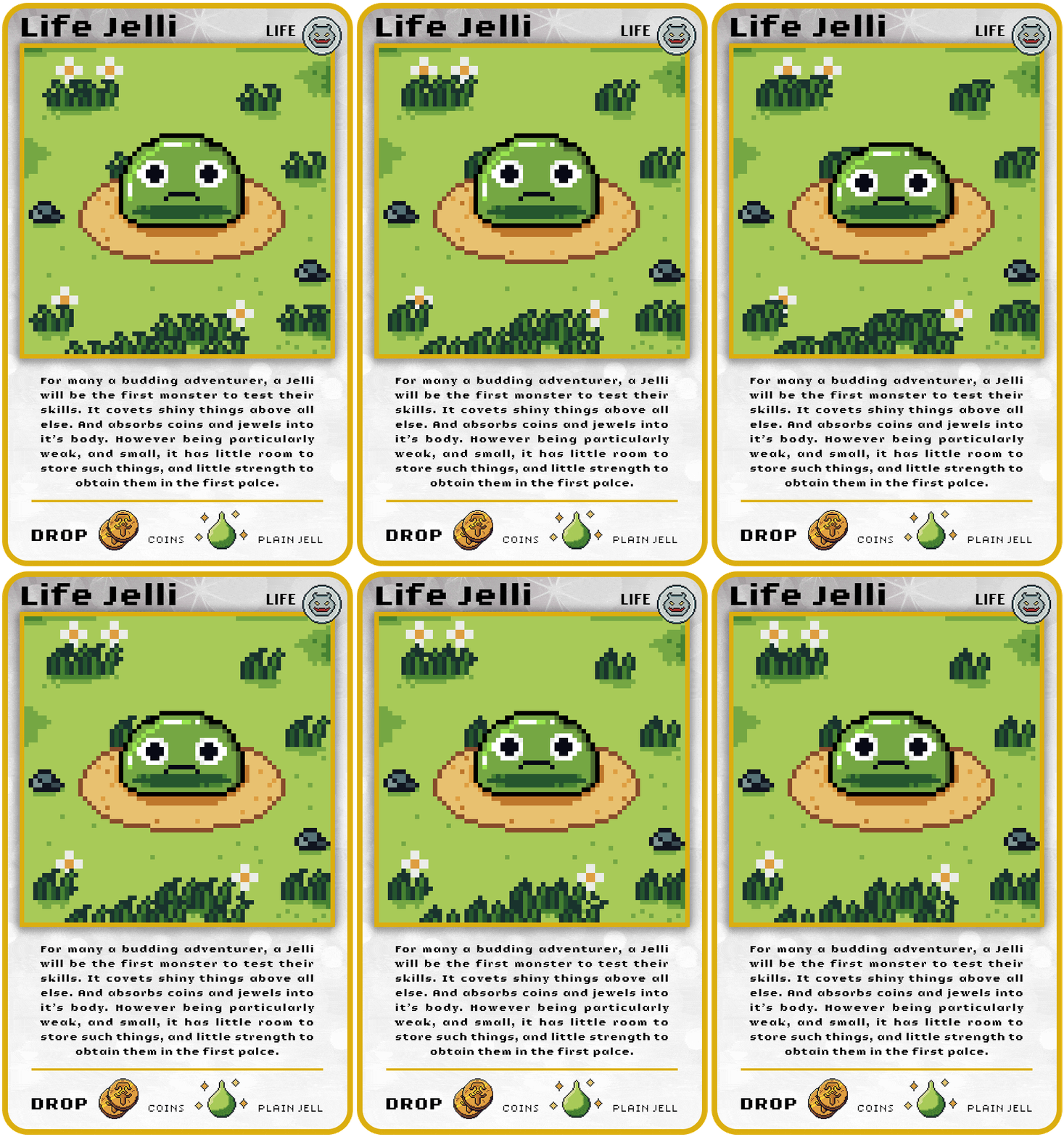
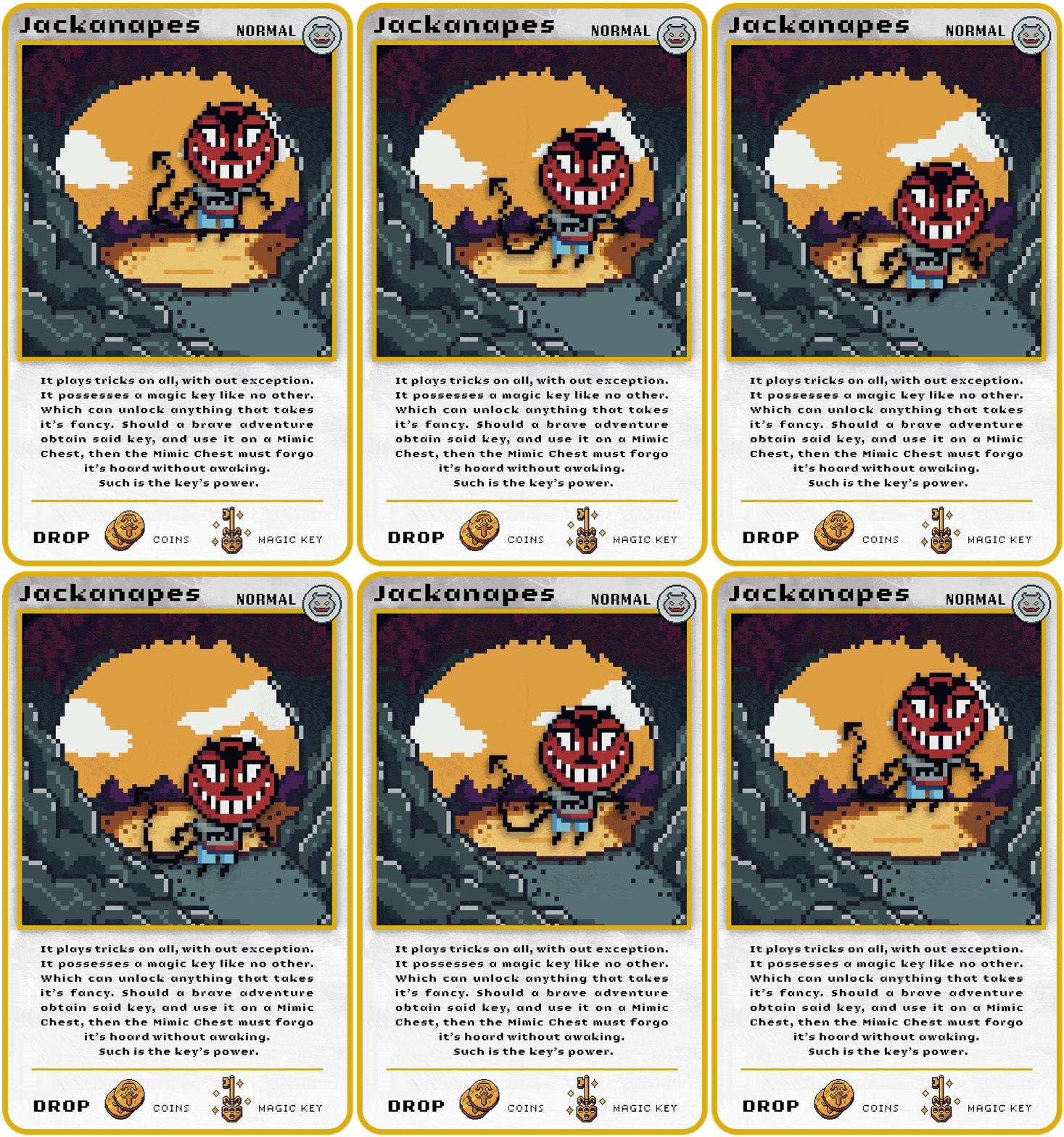
Jackanapes cardJackanapes カード
The same card system gives Jackanapes a very different kind of entrance.同じカードシステムでも、Jackanapesにはまったく違う登場の仕方を。
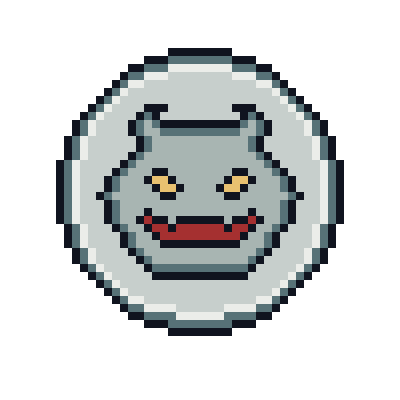 Normal type iconノーマルタイプアイコン
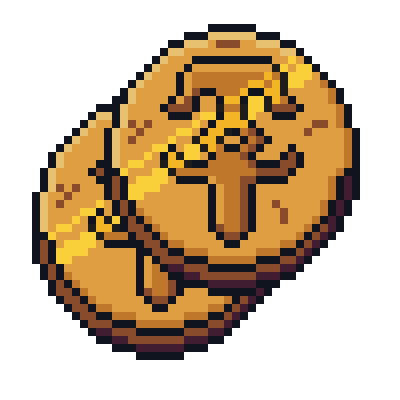 Coin itemコインアイテム
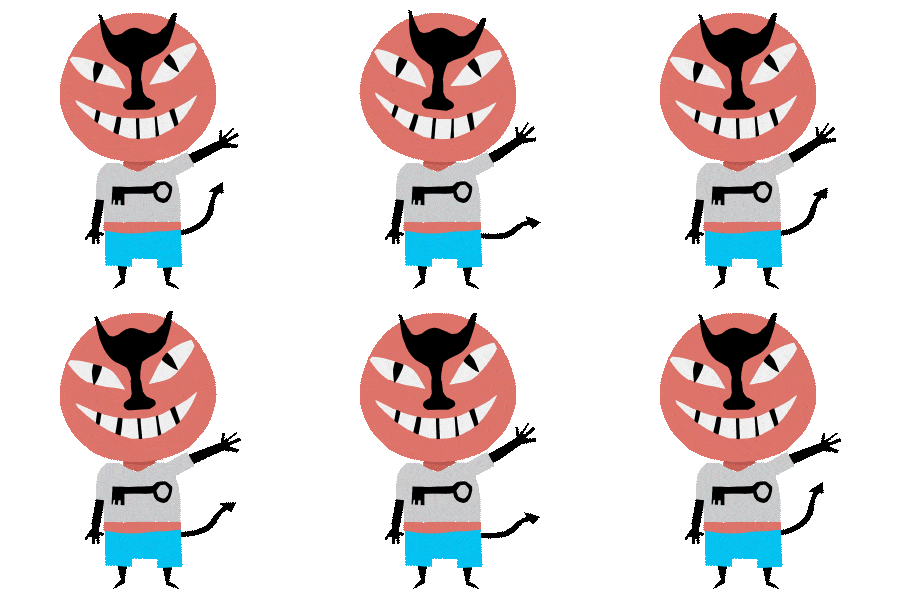
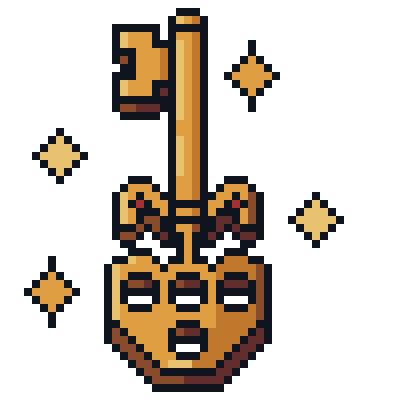 Magic key魔法の鍵
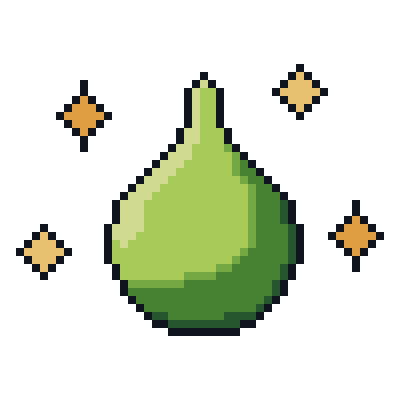 Jelli dropJelliドロップ
This got slightly out of hand.ちょっと、やりすぎました。
Ninety original creatures, split into ten groups of nine. A dozen of the wider cast sit below.オリジナルクリーチャー90体。10グループに9体ずつ。下には、その中から12体ほど。
A sketchbook idea with no sense of restraint.遠慮を知らない、スケッチブックのアイデア。
What began as a handful of drawings became 90 characters, ten types, four evolution families, animation, cards and a pocketful of game-world objects. The scale grew; the visual logic kept it together.数枚のスケッチから始まったものが、90体のキャラクター、10タイプ、4つの進化系統、アニメーション、カード、そしてポケットいっぱいのゲーム世界の小物になりました。規模はどんどん大きくなりましたが、共通のビジュアルルールが全部を一つにつないでいます。